



Ad
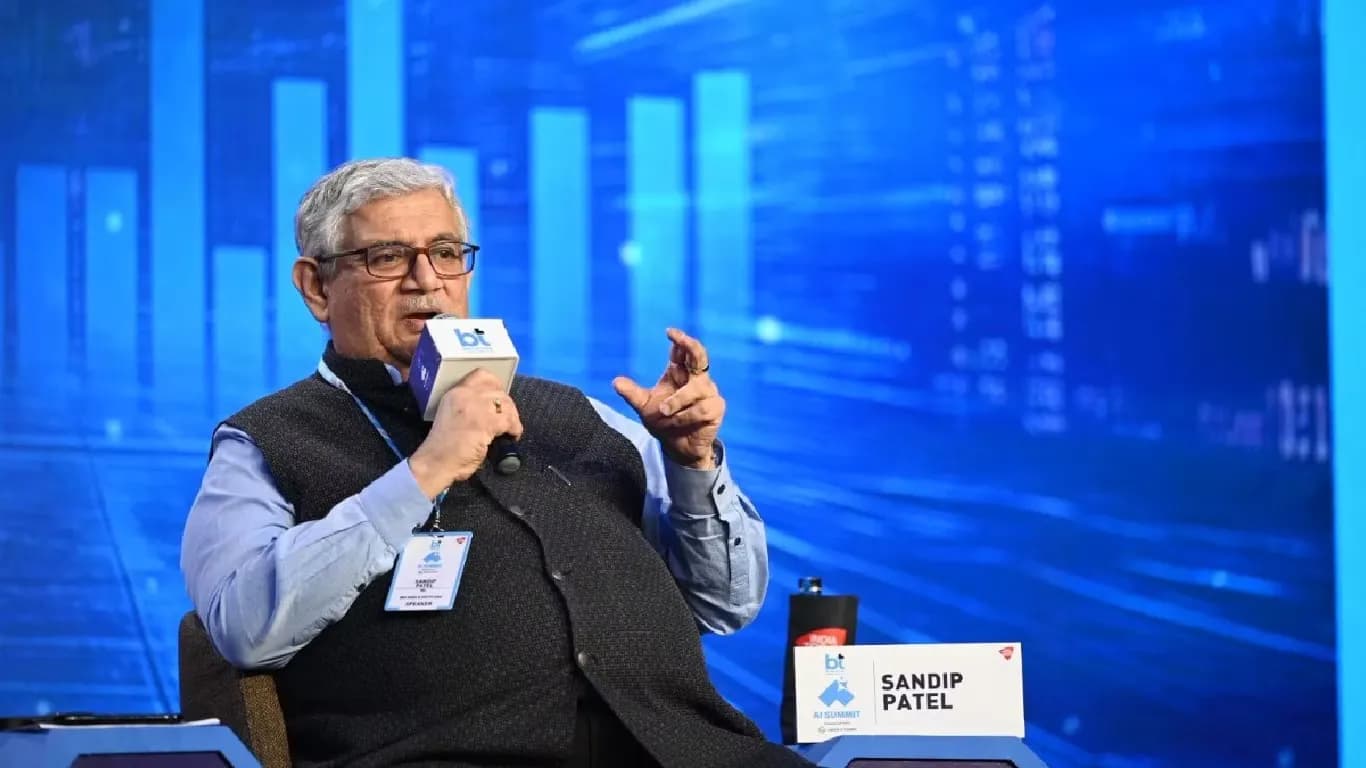
IBM India Chief Stresses Urgent Need for AI Upskilling Across Workforce



Follow Us:


9,177 views
IBM India head Sandip Patel has identified large-scale workforce upskilling as India's main challenge in the era of artificial intelligence. Patel told Reuters that retraining millions of employees is essential if India wants to become a global leader in AI. He emphasized that India's young population, with over half of its 1.4 billion citizens under 30, offers a significant advantage. However, he warned that this demographic benefit alone will not suffice unless workers gain skills to work with AI technologies.
Key Highlights
- IBM India head says upskilling is key challenge for India's AI ambitions.
- India could build an AI-trained workforce of 350 million with large-scale skilling.
- Only 30 percent of India's tech workforce has required AI skills.
- IBM aims to train five million Indians in AI and related fields by 2030.
India's AI Workforce Opportunity
Patel described India's demographic dividend as a major opportunity to develop one of the world's largest AI-ready workforces. He projected that, with effective skilling programs, India could create an AI-trained workforce of around 350 million people. This workforce could serve both domestic and international markets. However, Patel stressed that this potential can only be realized through coordinated efforts involving government, industry, and academia.
As AI tools increasingly automate routine tasks such as coding, data processing, and customer support, Patel said the skills required for future jobs are changing rapidly. He noted that India must move quickly to equip its workforce with the necessary capabilities to adapt to these changes.
Skills Gap and Industry Response
Patel highlighted that only about 30 percent of India's technology workforce currently has the AI skills that businesses need. He argued that closing this gap is critical for India to retain its position as a leading IT services provider and to become a significant player in the global AI economy.
Across India's technology sector, companies are now seeking professionals who can work with AI systems, build AI-powered applications, analyze large datasets, and integrate technical expertise with business knowledge. Skills such as prompt engineering, machine learning, cybersecurity, cloud computing, and AI governance are in higher demand than routine coding abilities.
Patel also pointed to IBM's commitment to workforce development. The company has pledged to train five million people in India in AI, cybersecurity, and quantum computing by 2030. IBM is collaborating with government-backed skilling initiatives and educational institutions to broaden access to AI education and professional training.
Intellectual Property and Innovation
Beyond workforce skills, Patel emphasized the need for stronger intellectual property protections in India. He stated that companies must trust that innovations developed in India can be protected internationally and commercialized globally. Improved safeguards, he said, would encourage more investment in research, product development, and AI innovation within the country.
Patel's comments come amid rising concerns about AI's impact on technology sector jobs. Generative AI tools now perform tasks like coding and data analysis, which were previously handled by entry-level employees. Industry leaders agree that while AI may not eliminate jobs entirely, it will change the nature of work and the skills employers seek.
Latest News



Reviews & Guides
View All


Samsung Galaxy Buds 4 Pro Review: क्या ₹22,999 में मिलते हैं सबसे बेहतरीन प्रीमियम वायरलेस ईयरबड्स?

कंटेंट क्रिएटर के लिए सबसे दमदार बैटरी लाइफ वाले Windows लैपटॉप, 18 घंटे की मिलेगी बैटरी लाइफ

Samsung Galaxy S26 Ultra क्यों है साल का सबसे बेहतरीन स्मार्टफोन? जानें 5 बड़े कारण

MacBook Neo Review: सस्ता नहीं, Apple का मास्टरस्ट्रोक है ये Laptop!

Samsung Galaxy S26 Ultra Review: AI से लेकर प्राइवेसी डिस्प्ले है सबसे खास, जानें कैसी है परफॉरमेंस

Vivo V70 Elite Review 2026: Price in India, Specs, Features

Best 4K TVs Under ₹40,000 in India (2026)

Lava Virat Curve 5G Price in India, Launch Date & Specs 2026

Samsung Galaxy S26 FE Price in India ₹79,999, Specs & Offers

Samsung Galaxy S26 FE vs iPhone 17: Price & Specs

Best Haier TV in India 2026: Top Models, Prices & Specs

Best Haier LED TV Under Rs 30,000 in India