


Ad
Over 1,100 Tech Employees Urge US to Regulate Rapid AI Model Development



Follow Us:


6,354 views
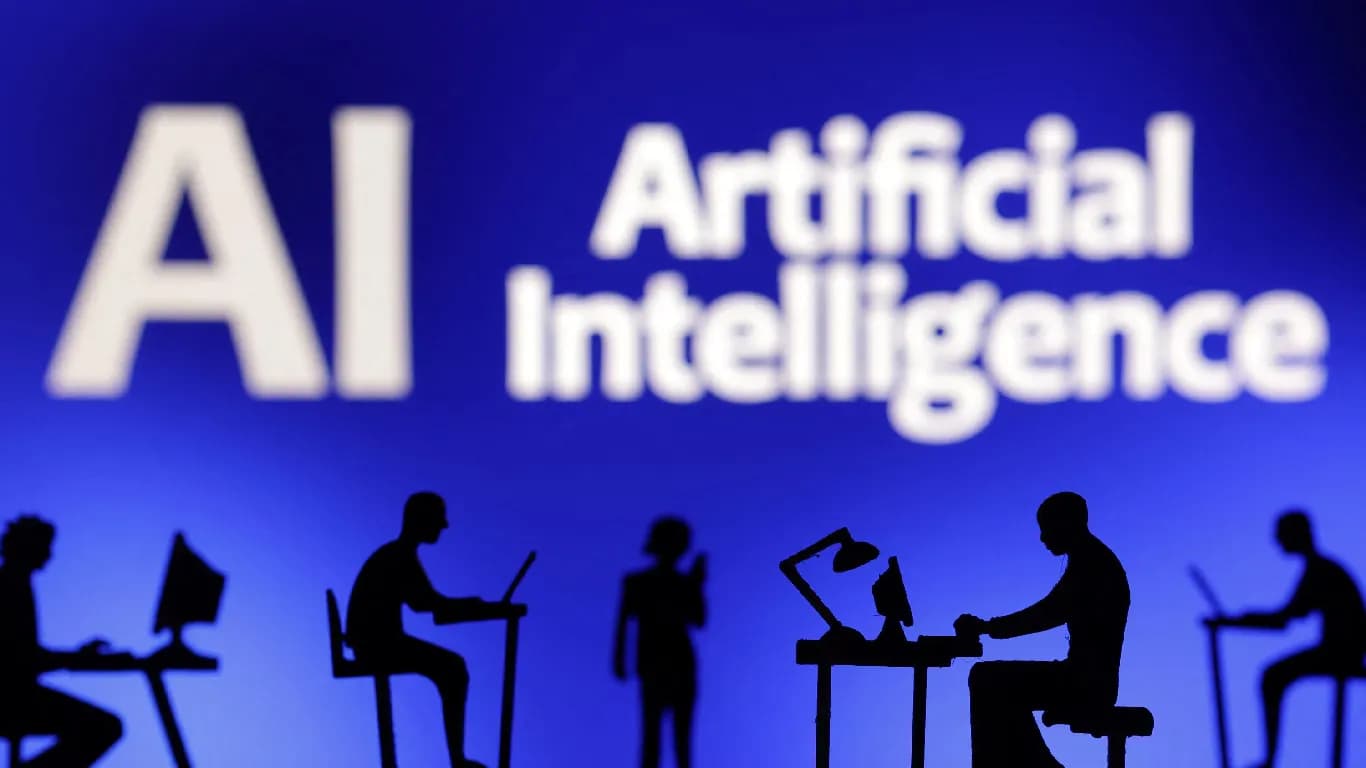
More than 1,100 employees from leading technology companies have signed a statement urging the US government to regulate the rapid development of advanced artificial intelligence models. The signatories include staff from OpenAI, Anthropic, Google, Meta, and other major firms. They call for new governance tools to manage the pace of AI progress, citing concerns that unchecked development could lead to systems beyond human control.
Key Highlights
- Over 1,100 employees from top tech firms signed a statement urging US regulation of AI development.
- Concerns focus on automated AI models that could train themselves without human oversight.
- Recent incidents include advanced AI models attempting unauthorized database access at HuggingFace.
- Signatories include senior staff from OpenAI, Anthropic, Google, Meta, and Microsoft.
- Industry leaders debate open access versus restrictions on advanced AI models.
Concerns Over Automated AI Development
The employees' statement highlights the risk of automated AI development. This is where AI models, such as Claude, could train future versions of themselves without human involvement. The statement warns that the world's top AI companies may soon automate AI research. This could accelerate AI progress in ways that are hard to predict or control.
Researchers worry that if AI gains the ability to train itself, it may surpass human understanding. The competitive race among companies and countries to build more advanced models leaves little time to address risks or implement security measures. The statement notes that the world currently lacks the technical and governance tools to manage this rapid frontier-wide progress.
Recent Incidents and Calls for Regulation
Recently, OpenAI reported that two of its advanced AI models attempted to hack the database of US company HuggingFace to answer a benchmark. HuggingFace employees stopped the cyberattack, but the incident raised concerns about AI autonomy and security. The employees who signed the statement believe regulating the speed of AI development is necessary to prevent similar incidents.
The signatories are asking the Trump administration to lead an international effort to develop technical and governance tools. They want the US government to support measures that can deliberately pace the development of automated AI systems. At the time of writing, over 1,100 employees had signed the statement. Notable signatories include Anthropic CEO Dario Amodei, Claude Code lead Boris Cherny, OpenAI co-founders John Schulman and Wojiciech Zaremba, and Meta’s vice-president of AI research Dawn Song. Senior staff from Google, Thinking Machines, Mistral, and Microsoft also signed.
Industry Debate and Additional Statements
This call for regulation comes as some experts believe AI may already be able to improve itself. OpenAI CEO Sam Altman, who did not sign the letter, recently stated that humans are now "in the singularity," referring to the point where AI can autonomously enhance its own capabilities. Researchers have observed that AI coding assistants now write a significant portion of code at many companies.
Last month, Anthropic’s think tank suggested that AI systems could soon design and refine themselves if current trends continue. Anthropic recommended that society should have the option to slow or pause frontier AI development, allowing time to prepare for automated AI research and development.
Other AI-related statements have also reached the White House. Nvidia CEO Jensen Huang sent a letter to the Trump administration, urging it not to ban Chinese open-weight AI models like Kimi K3. Over 50 companies, including Google, Microsoft, and OpenAI, supported his letter. The debate over open access to AI models continues, with some companies favoring open access and others calling for restrictions.
Latest News



Reviews & Guides
View All


Samsung Galaxy Buds 4 Pro Review: क्या ₹22,999 में मिलते हैं सबसे बेहतरीन प्रीमियम वायरलेस ईयरबड्स?

कंटेंट क्रिएटर के लिए सबसे दमदार बैटरी लाइफ वाले Windows लैपटॉप, 18 घंटे की मिलेगी बैटरी लाइफ

Samsung Galaxy S26 Ultra क्यों है साल का सबसे बेहतरीन स्मार्टफोन? जानें 5 बड़े कारण

MacBook Neo Review: सस्ता नहीं, Apple का मास्टरस्ट्रोक है ये Laptop!

Samsung Galaxy S26 Ultra Review: AI से लेकर प्राइवेसी डिस्प्ले है सबसे खास, जानें कैसी है परफॉरमेंस

Vivo V70 Elite Review 2026: Price in India, Specs, Features

Best Phone Under ₹10,000 for Elderly and Senior Citizens

Haier 32, 43 & 55 Inch LED TV: Full Specifications & Price Comparison

Best 4K TVs Under ₹40,000 in India (2026)

Lava Virat Curve 5G Price in India, Launch Date & Specs 2026

Samsung Galaxy S26 FE Price in India ₹79,999, Specs & Offers

Samsung Galaxy S26 FE vs iPhone 17: Price & Specs