



Ad
Expert Reviews
Apple and Google Seek Clarity on India’s Direct-to-Device Satellite Rules



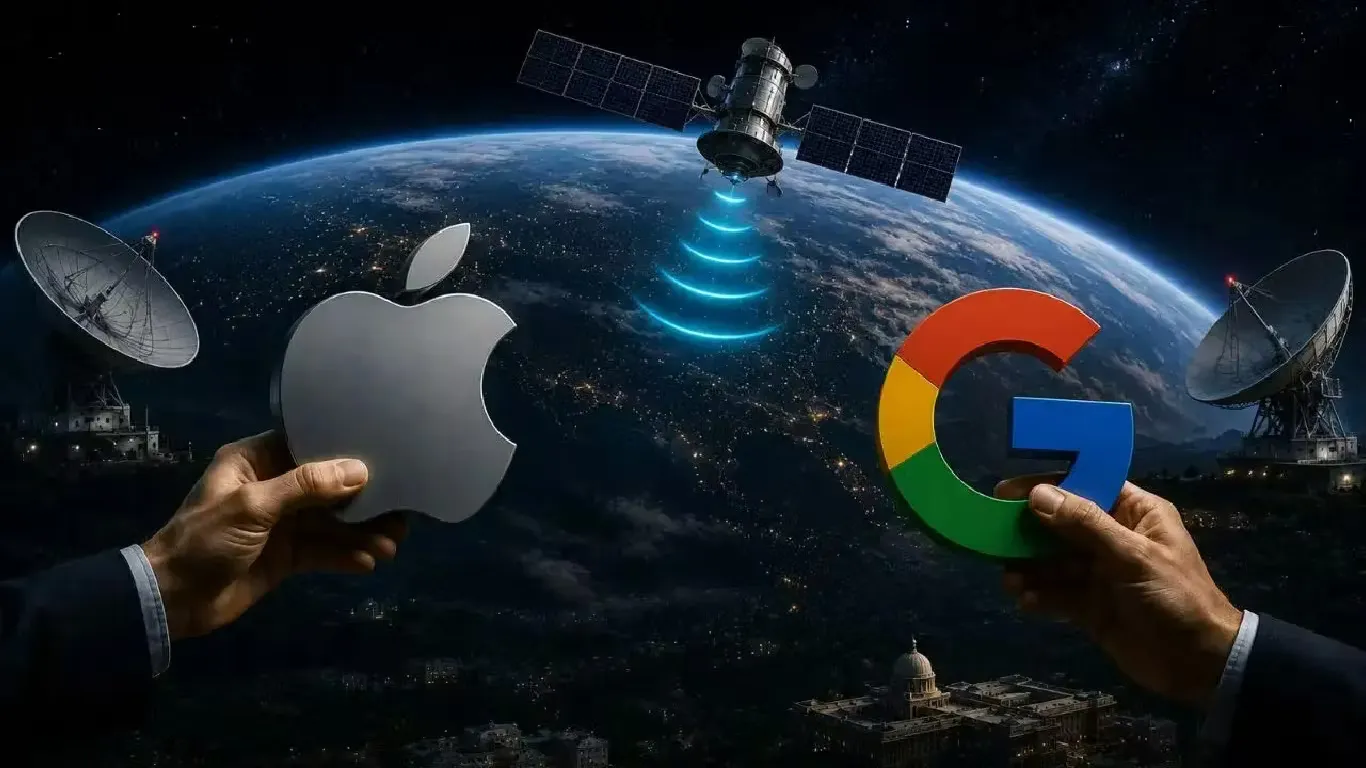
India is considering direct-to-device (D2D) satellite connectivity, which would allow smartphones to link directly with satellites in areas lacking mobile coverage. Apple and Google have requested more clarity from the government on how these services will operate under Indian regulations. According to a report by the Economic Times, Apple shared its feedback with the Department of Telecommunications (DoT) during discussions on satellite communication technology held a few months ago. Google and other stakeholders have also submitted their views to the regulator.
Key Highlights
- Apple and Google request clarity on India’s direct-to-device satellite connectivity regulations.
- Technical challenges include battery drain, antenna limitations, and integration with existing networks.
- Government and industry consultations on D2D satellite rules are ongoing in India.
Industry Requests for Regulatory Clarity
Apple and Google are seeking details on how satellite messaging and emergency communication features will function within India’s telecom framework. This technology could benefit regions in India where mobile coverage is limited, such as hilly states, dense forests, and border districts. In these remote areas, installing telecom towers is often difficult or not financially viable. Satellite messaging could enable people to call for help, share their location, and communicate during emergencies without needing a nearby cellular tower.
Globally, satellite connectivity has appeared on premium smartphones in recent years, mainly as an emergency SOS feature when terrestrial networks are unavailable. However, companies have highlighted several technical and engineering challenges that must be addressed before satellite connectivity becomes practical for mainstream smartphones.
Technical and Policy Challenges
One major concern is battery drain. Connecting directly to low-earth-orbit satellites requires more power than traditional mobile networks. Another issue involves antenna limitations, as smartphones are designed to be slim and compact, leaving little space for hardware that can maintain stable satellite communication. Companies have also raised concerns about ensuring reliable connectivity in India’s varied terrain and environmental conditions.
Integrating satellite communication with existing 4G and 5G networks without affecting user experience is another challenge. Apple and other companies are also concerned that India-specific requirements could force manufacturers to redesign satellite features that are being developed as global standards. Apple has reportedly advised the DoT not to mandate hardware modifications or recertification for smartphones to enable satellite connectivity.
Manufacturers remain cautious about expanding satellite features due to the complexity of the technology. A smartphone’s small antenna must communicate with satellites hundreds of kilometers above Earth, leaving little room for engineering compromises.
Ongoing Government Consultations
The Department of Telecommunications is holding informal consultations with industry players to better understand the potential and limitations of D2D satellite technology before creating formal rules. The Telecom Regulatory Authority of India (TRAI) has also released a consultation paper seeking opinions on whether these services should use dedicated satellite spectrum or existing mobile network airwaves.
These discussions show that while satellite connectivity on smartphones could benefit India, several technical and policy questions remain unresolved. The government continues to consult with industry stakeholders as it considers the future of D2D satellite services in the country.
Follow Us:



Ad
Recent News

Apple and Google Seek Clarity on India’s Direct-to-Device Satellite Rules
18-May-2026 05:00 AM

Eric Schmidt Faces Boos Over AI and Protests at University of Arizona Graduation
18-May-2026 05:00 AM

Apple to Launch Revamped Siri with Google Gemini AI and Enhanced Privacy Controls
18-May-2026 04:00 AM

Sony Xperia 1 VIII Leads Weekly Mobile Trending Chart
18-May-2026 04:00 AM

iPhone 18 Pro: Expected Design, Camera, Chip, and Battery Upgrades Detailed
16-May-2026 09:00 AM

Elon Musk Criticizes Instagram and Promotes X in Viral Social Media Comments
16-May-2026 07:00 AM
Ad
Reviews & Guides
View All


MacBook Neo Review: सस्ता नहीं, Apple का मास्टरस्ट्रोक है ये Laptop!
Samsung Galaxy S26 Ultra Review: AI से लेकर प्राइवेसी डिस्प्ले है सबसे खास, जानें कैसी है परफॉरमेंस
Vivo V70 Elite Review 2026: Price in India, Specs, Features
Asus Zenbook 14 UM3406G Review: All New Thin and Light Ai Laptop
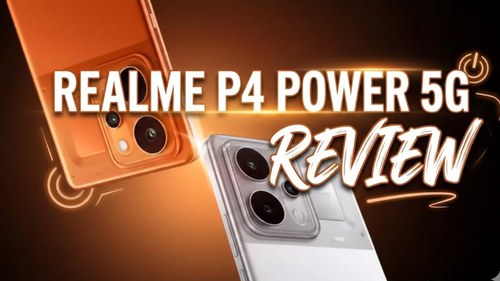
Realme P4 Power 5G First Impressions: Massive Battery and Power
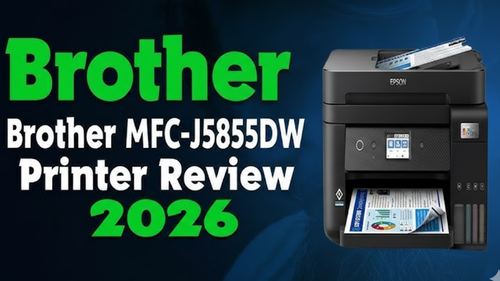
Brother MFC-J5855DW Printer Review 2026: Features, Specs, Performance

Why switch to iPhone These Reasons Will Convince You Instantly

Haier Launches F11, India’s Only Ultra Fresh Air Technology Washing Machine with Full AI Color Touch Panel
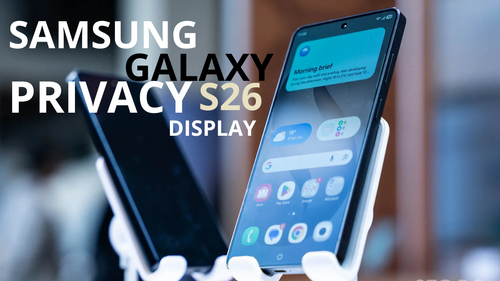
Samsung Galaxy S26 Ultra Privacy Display Explained: How It Works
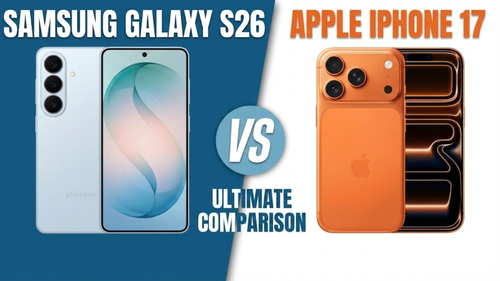
Apple iPhone 17 vs Samsung Galaxy S26: Price in India, Specifications
Should You Buy a Smart AC in India 2026? Pros, Cons, and Top Models

Window AC or Split AC: What Should You Choose in 2026?
Ad






Latest Mobiles In India


Ad
Ad
 |
|
807, 808, 8th Floor,
IRIS Tech Tower Sohna Road Sector 48,
Gurugram, Haryana - 122018