



Ad
Expert Reviews
Why Indian IT Firms Are Not Competing in the Global AI Model Race



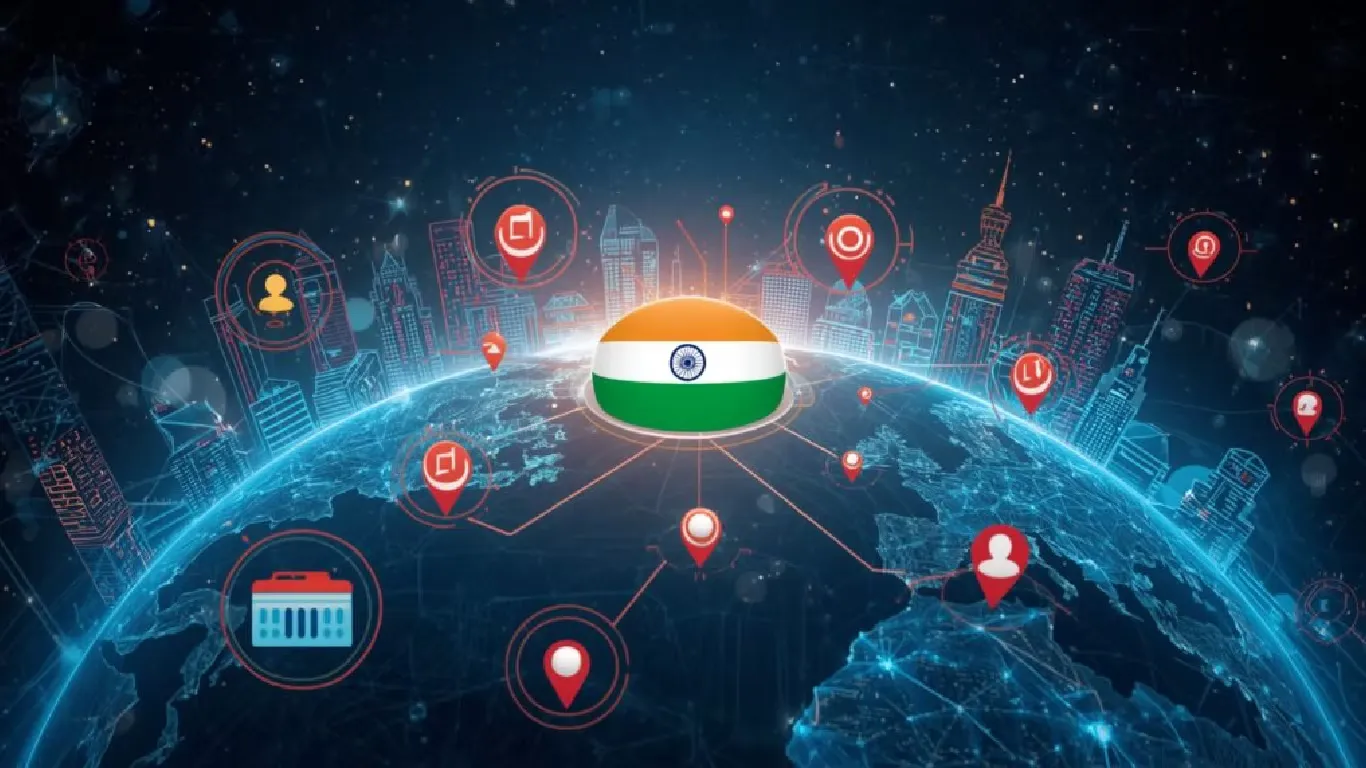
India's AI ambitions came under scrutiny after Anthropic, a US-based AI startup, blocked foreign nationals from accessing its advanced models. This move followed a US export-control directive citing national security. The incident sparked debate about India's position in the global AI race and the role of its major IT firms.
Key Highlights
- Anthropic blocked foreign access to advanced AI models after a US export-control directive.
- Indian IT firms focus on stable profits and employment, not high-risk AI model development.
- The sector brings over $200 billion in foreign currency to India annually.
- Indian IT excels at deploying and integrating AI solutions for businesses.
Key Arguments on Indian IT's Role
An X user named Piramal, who works on payment agents for the machine economy, argued that India's leading IT companies—TCS, Infosys, Wipro, and HCL—should not be blamed for not building AI models like ChatGPT. Infosys co-founder Kris Gopalakrishnan endorsed Piramal's perspective, highlighting its relevance to the ongoing debate.
1. Infrastructure and Investment Challenges
Piramal explained that building advanced AI models requires significant infrastructure and funding. Companies such as OpenAI and Anthropic invest billions of dollars, supported by partners like Microsoft and Amazon. Indian IT firms, however, operate under a different business model. They are publicly traded, prioritize steady profits, and are accountable to shareholders. This structure limits their ability to make large, risky investments with uncertain returns.
Piramal noted that if an Indian IT CEO reduced shareholder dividends by 80 percent to purchase 50,000 Nvidia H100 chips for an AI project, the company's stock could drop 30 percent in a single day. The legal and financial structure of these firms is designed for stable margins, not high-risk ventures.
2. Economic Contributions and Foreign Exchange
Piramal emphasized that Indian IT companies play a larger economic role beyond software development. The sector brings in over $200 billion in foreign currency annually through service exports. This inflow stabilizes the rupee, strengthens foreign exchange reserves, and supports India's ability to manage imports and inflation.
The latest Economic Survey also highlights that exports are a reliable way to achieve sustained foreign exchange gains. However, India's progress in the Global Innovation Index has been slower than some peer economies, particularly in high-technology manufacturing and private R&D.
3. Employment Generation
Piramal stated that Indian IT directly employs over 5 million people and indirectly supports millions more in sectors like real estate, hospitality, transport, and retail. The industry has helped expand India's middle class, especially from smaller cities and towns. He described IT as a key driver of upward mobility for many families.
While the sector is gradually upskilling its workforce for AI roles, the debate continues on whether automation will lead to job losses or create new opportunities. So far, there is no clear evidence of widespread job losses due to AI.
AI Opportunities for Indian IT Firms
4. Focus on Deployment and Integration
Piramal argued that the main opportunity for Indian IT lies in deploying and integrating AI models, not building them. Indian IT firms excel at customizing AI solutions, fine-tuning models with private data, and managing large-scale enterprise deployments. He compared IT service integrators to construction crews who build skyscrapers, rather than the companies that produce raw materials.
According to Piramal, building frontier AI models is better suited to governments, research institutions, and venture-backed startups. Indian IT firms have already played a crucial role in strengthening the economy, generating jobs, and supporting the growth of the middle class.
Follow Us:



Ad
Recent News

Xiaomi Redmi Turbo 5 Set for India Launch With High-Performance Features
15-Jun-2026 02:30 PM

AMD Unveils Ryzen AI Halo Platform for Local Large-Scale AI Model Deployment
15-Jun-2026 01:30 PM

Zoho’s Sridhar Vembu Calls for Indian Tech Independence After US AI Model Ban
15-Jun-2026 12:30 PM

Meta and Google Ordered to Pay $6 Million in Social Media Addiction Case
15-Jun-2026 11:30 AM

Why Indian IT Firms Are Not Competing in the Global AI Model Race
15-Jun-2026 10:30 AM

Honor X80 Pro Max Launch Set for June 22 in China With 11,000mAh Battery
15-Jun-2026 10:30 AM
Ad
Reviews & Guides
View All


कंटेंट क्रिएटर के लिए सबसे दमदार बैटरी लाइफ वाले Windows लैपटॉप, 18 घंटे की मिलेगी बैटरी लाइफ

Samsung Galaxy S26 Ultra क्यों है साल का सबसे बेहतरीन स्मार्टफोन? जानें 5 बड़े कारण

MacBook Neo Review: सस्ता नहीं, Apple का मास्टरस्ट्रोक है ये Laptop!

Samsung Galaxy S26 Ultra Review: AI से लेकर प्राइवेसी डिस्प्ले है सबसे खास, जानें कैसी है परफॉरमेंस

Vivo V70 Elite Review 2026: Price in India, Specs, Features
Asus Zenbook 14 UM3406G Review: All New Thin and Light Ai Laptop

5 Anti-Scam Tools on WhatsApp that protect you from Digital Fraud

How Samsung’s Galaxy S26 Series is Democratizing Mobile Filmmaking

30,000 से कम आने वाले बेस्ट स्मार्टफोन, 4K वीडियो शूट और फुल डे बैटरी लाइफ

Why switch to iPhone These Reasons Will Convince You Instantly

Haier Launches F11, India’s Only Ultra Fresh Air Technology Washing Machine with Full AI Color Touch Panel

Samsung Galaxy S26 Ultra Privacy Display Explained: How It Works
Ad






Latest Mobiles In India


Ad
Ad
 |
|
807, 808, 8th Floor,
IRIS Tech Tower Sohna Road Sector 48,
Gurugram, Haryana - 122018