



Ad
Expert Reviews
NDMA Emergency Alert on Phones: What It Means and What to Do



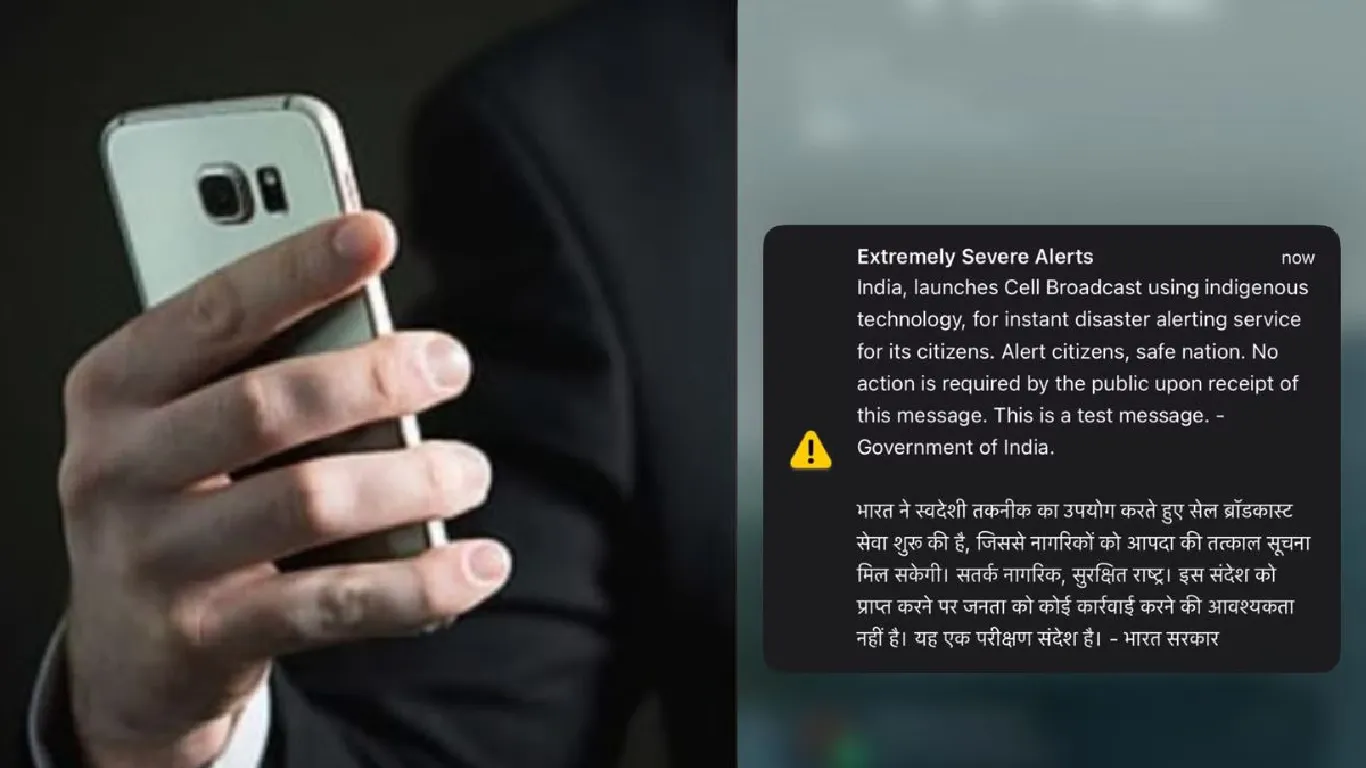
Many mobile phone users in India have recently received emergency alerts from the National Disaster Management Authority (NDMA). These alerts may seem alarming, but there is no cause for concern. The government is currently testing a new emergency alert system to improve public safety during disasters.
Key Highlights
- NDMA is testing a new emergency alert system for mobile users across India.
- The Cell Broadcast system sends real-time alerts to all phones connected to local towers.
- No user action is needed as these alerts are part of a government trial.
- Alerts may appear in multiple languages and can be received without a SIM card.
NDMA Alert System Testing
The NDMA, in partnership with the Department of Telecommunications, is conducting trials of a Cell Broadcast system. This technology sends real-time alerts to all mobile phones within a specific area. Unlike SMS messages, Cell Broadcast does not depend on individual phone numbers. It pushes notifications to every phone connected to nearby mobile towers.
This approach ensures that alerts reach people quickly, even during network congestion. Phones without SIM cards, as long as they are powered on and connected to a tower, will also receive the alerts. Users do not need to install any special application to get these messages.
How the System Works
The alert system uses the SACHET platform, developed by the Centre for Development of Telematics. It is designed to warn the public about emergencies such as earthquakes, floods, lightning, or industrial hazards like gas leaks. The system is part of India's effort to strengthen its own telecom infrastructure.
During the current testing phase, alerts may appear in multiple languages, including English, Hindi, and regional languages. Some users may receive the same alert more than once, as different mobile towers are tested. For example, residents in Rohini, New Delhi, have been receiving these alerts since Friday evening. Other regions may also experience similar notifications during the trial period.
User Actions and Next Steps
Authorities have clarified that these alerts are only part of the test. Users are not required to take any action in response. The alert message itself states that people can safely ignore them. Once testing is complete, the system will be used to send urgent warnings during actual emergencies.
The goal is to deliver critical information instantly, giving people more time to respond and stay safe. This system aims to replace delayed messages or news reports with immediate alerts to the public.
Follow Us:



Ad
Recent News

Major Discounts on Samsung Galaxy S26 Series and Competing Smartphones in 2026
02-May-2026 11:00 AM

Global Debate Grows Over Access to Anthropic’s Claude Mythos AI System
02-May-2026 09:00 AM

Why Smartphones Remain Unmatched Despite Efforts to Replace Them
02-May-2026 08:00 AM

Apple May Keep iPhone 18 Pro Prices Steady Despite RAM Cost Increases
02-May-2026 08:00 AM

NDMA Emergency Alert on Phones: What It Means and What to Do
02-May-2026 07:00 AM

India Conducts Nationwide Mobile Disaster Alert System Trial Using Cell Broadcast Technology
02-May-2026 07:00 AM
Ad
Reviews & Guides
View All


Samsung Galaxy S26 Ultra Review: AI से लेकर प्राइवेसी डिस्प्ले है सबसे खास, जानें कैसी है परफॉरमेंस

Vivo V70 Elite Review 2026: Price in India, Specs, Features

Asus Zenbook 14 UM3406G Review: All New Thin and Light Ai Laptop

Realme P4 Power 5G First Impressions: Massive Battery and Power

Brother MFC-J5855DW Printer Review 2026: Features, Specs, Performance

Haier H5E Series 4K Ultra HD Smart Google TV Review: Price and specification

Why switch to iPhone These Reasons Will Convince You Instantly

Haier Launches F11, India’s Only Ultra Fresh Air Technology Washing Machine with Full AI Color Touch Panel

Samsung Galaxy S26 Ultra Privacy Display Explained: How It Works

Apple iPhone 17 vs Samsung Galaxy S26: Price in India, Specifications

Should You Buy a Smart AC in India 2026? Pros, Cons, and Top Models

Window AC or Split AC: What Should You Choose in 2026?
Ad






Latest Mobiles In India


Ad
Ad
 |
|
807, 808, 8th Floor,
IRIS Tech Tower Sohna Road Sector 48,
Gurugram, Haryana - 122018