



Ad
Expert Reviews
Why Smartphones Remain Unmatched Despite Efforts to Replace Them



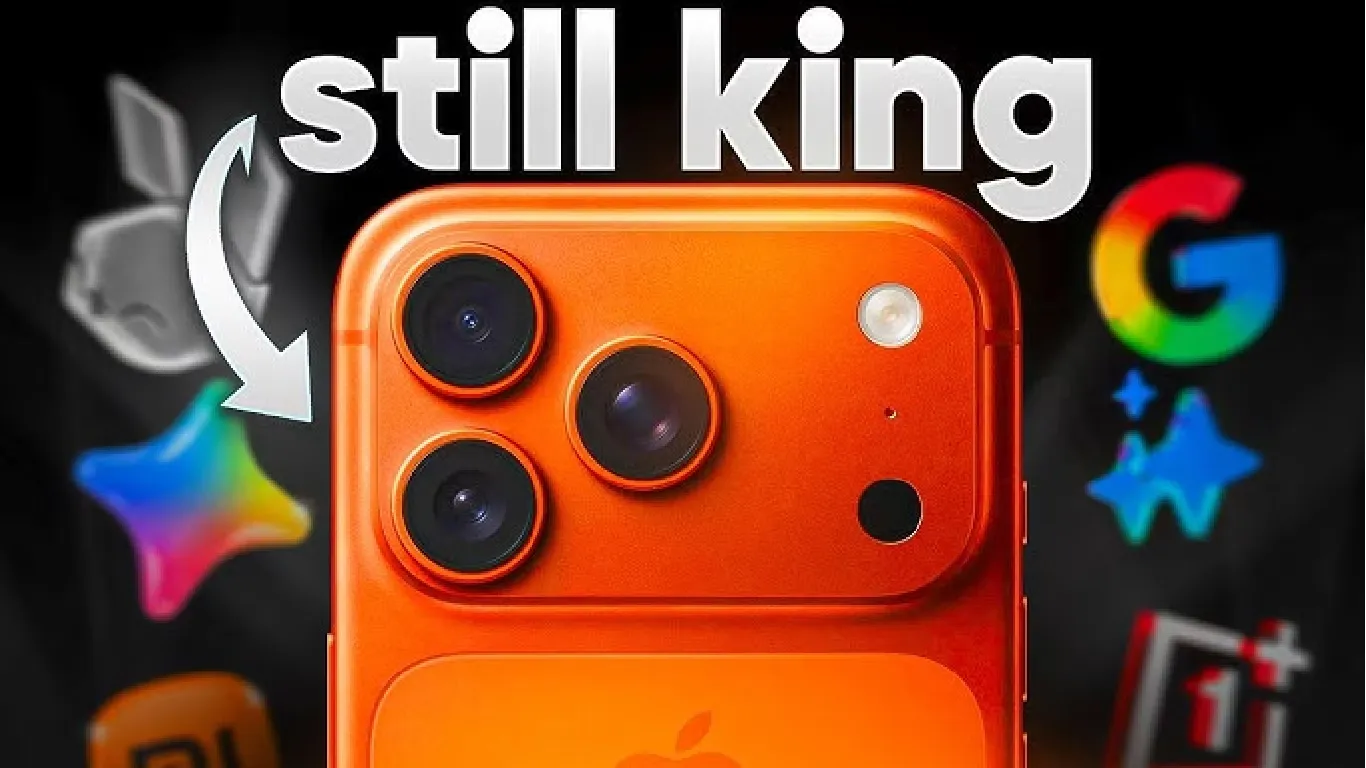
Smartphones have become the most successful gadget in human history, with nearly 1.5 billion units sold every year. On Thursday, Apple reported a 22 percent year-on-year increase in iPhone revenue, underscoring the device's continued dominance nearly two decades after its 2007 launch. The global smartphone market is projected to reach over $600 billion by 2026, far surpassing the historical peak earnings of other electronics like feature phones, laptops, and gaming consoles.
Key Highlights
- Apple iPhone revenue grew 22 percent year-on-year according to latest earnings report.
- Global smartphone sales approach 1.5 billion units annually with market size projected at $642 billion by 2026.
- Tech leaders are developing AI-first devices but none match the smartphone's versatility and usability.
- Smartphones combine multiple functions including communication, productivity, navigation, and entertainment.
- Current technology limits the development of a true smartphone replacement despite ongoing innovation.
Smartphone Market and Growth
Apple's recent earnings highlight the enduring strength of the iPhone. Despite being almost 20 years old, the iPhone continues to see significant growth. In 2026, smartphones are expected to generate $642 billion in global revenue. This figure is two to three times higher than the best years for other top gadgets in history. The smartphone's market size and central role in daily life have prompted many tech leaders to seek alternatives.
Industry figures such as Sam Altman and Mark Zuckerberg are developing new devices aimed at replacing smartphones. Meta has introduced AI Glasses, but their impact on smartphone usage remains limited. OpenAI, led by Altman, is working on AI-first devices, including a pebble-shaped gadget without a screen, controlled by voice. Other efforts include advanced smartwatches and Apple's move into virtual reality headsets with the Vision Pro. However, none have matched the smartphone's functionality or usability.
Why Smartphones Remain Essential
Smartphones combine multiple devices into one compact form. Users can make calls, send messages, browse the internet, scan documents, send emails, record meetings, and take high-quality photos. They also serve as navigation tools, video conferencing devices, alarm clocks, digital diaries, fitness trackers, gaming consoles, and portable TVs. All of these features are available in a device measuring 6 to 8 inches and light enough to carry all day.
The smartphone's form factor adds to its appeal. It is always accessible but not intrusive. Users can interact with it through typing or voice commands. The touchscreen allows for intuitive content manipulation, surpassing the capabilities of laptops and other gadgets. While other devices excel at specific tasks, smartphones are generalists, performing well across a wide range of functions.
Attempts to replace smartphones face significant challenges. Smartwatches and smart glasses are limited by size, power, and input methods. Devices like the Apple Vision Pro require users to wear them on their faces, which can be uncomfortable and isolating. The technology needed to create a truly versatile and powerful alternative, such as a screenless AI-powered "pebble," does not yet exist. Advances in chip performance, battery efficiency, and wireless connectivity are necessary before such a device becomes feasible.
Future Outlook
Despite ongoing efforts, no device currently matches the smartphone's combination of functionality, usability, and convenience. Major technological breakthroughs are likely required before a true replacement emerges. Until then, smartphones will remain the central device in most people's lives.
Follow Us:



Ad
Recent News

Major Discounts on Samsung Galaxy S26 Series and Competing Smartphones in 2026
02-May-2026 11:00 AM

Global Debate Grows Over Access to Anthropic’s Claude Mythos AI System
02-May-2026 09:00 AM

Why Smartphones Remain Unmatched Despite Efforts to Replace Them
02-May-2026 08:00 AM

Apple May Keep iPhone 18 Pro Prices Steady Despite RAM Cost Increases
02-May-2026 08:00 AM

NDMA Emergency Alert on Phones: What It Means and What to Do
02-May-2026 07:00 AM

India Conducts Nationwide Mobile Disaster Alert System Trial Using Cell Broadcast Technology
02-May-2026 07:00 AM
Ad
Reviews & Guides
View All

Samsung Galaxy S26 Ultra Review: AI से लेकर प्राइवेसी डिस्प्ले है सबसे खास, जानें कैसी है परफॉरमेंस
Vivo V70 Elite Review 2026: Price in India, Specs, Features
Asus Zenbook 14 UM3406G Review: All New Thin and Light Ai Laptop
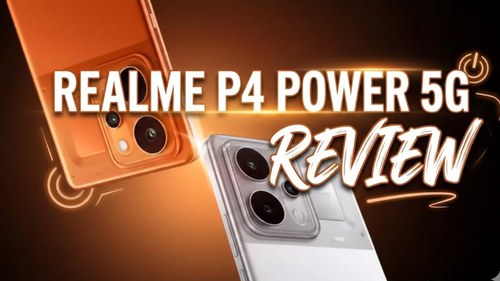
Realme P4 Power 5G First Impressions: Massive Battery and Power
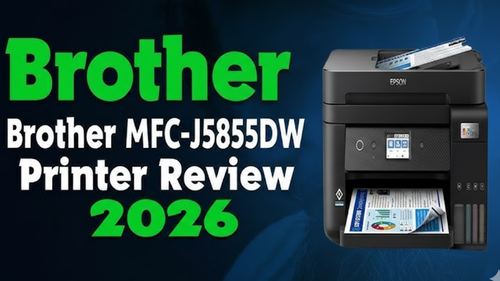
Brother MFC-J5855DW Printer Review 2026: Features, Specs, Performance
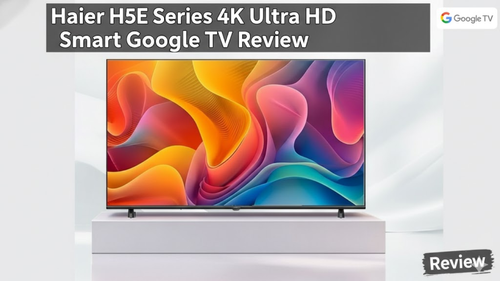
Haier H5E Series 4K Ultra HD Smart Google TV Review: Price and specification

Why switch to iPhone These Reasons Will Convince You Instantly

Haier Launches F11, India’s Only Ultra Fresh Air Technology Washing Machine with Full AI Color Touch Panel
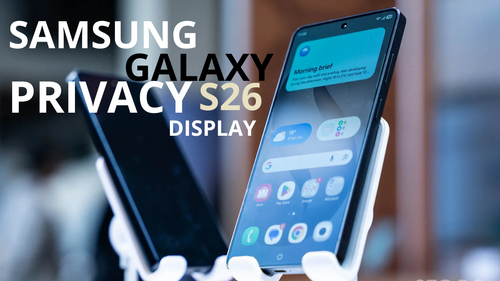
Samsung Galaxy S26 Ultra Privacy Display Explained: How It Works
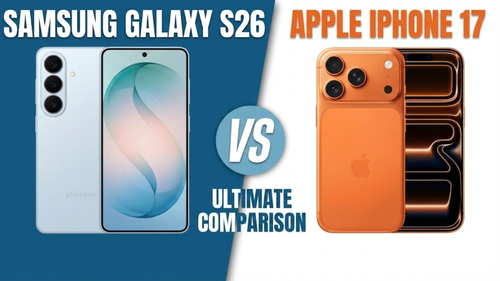
Apple iPhone 17 vs Samsung Galaxy S26: Price in India, Specifications
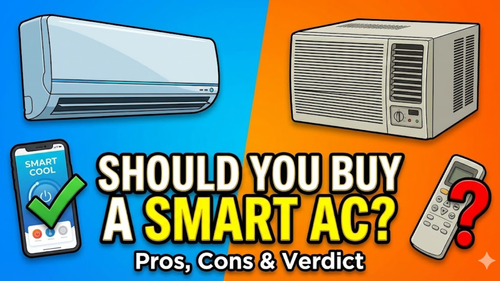
Should You Buy a Smart AC in India 2026? Pros, Cons, and Top Models
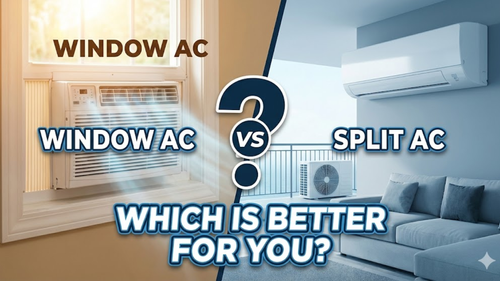
Window AC or Split AC: What Should You Choose in 2026?
Ad






Latest Mobiles In India


Ad
Ad
 |
|
807, 808, 8th Floor,
IRIS Tech Tower Sohna Road Sector 48,
Gurugram, Haryana - 122018